Distinguish the method from the fabric
A flat cloth, a shaped turban and a shirt do not fasten in the same way. Choose something that holds the lengths comfortably and can be removed without catching. A name such as “microfibre” does not tell you where its button sits or whether the cloth has enough coverage for your arrangement.
The towel-versus-T-shirt comparison owns that format choice. This guide focuses on positioning and release. You do not need to buy a new towel before checking whether a clean, suitable fabric you already own is practical for the method.
Lower the lengths into the centre
Bouclème’s UK Curl Towel instructions describe placing the towel flat, lowering curls into the middle and bringing the fabric over the back of the head to fasten. That is a named example of supporting the lengths, rather than a universal closure method.
Set up the fabric where you can comfortably reach it. If leaning forward is comfortable, gather the lengths into the centre without pulling them straight through a twist. Bring the fabric around them and use its intended fastening. Stop and reposition if the closure pulls, the cloth feels heavy or strands become trapped near a fastener.
Keep the fastening separate from the hair arrangement
Twisting an empty fabric end to reach a closure is different from twisting the hair itself tightly inside it. Inspect where the lengths sit before tightening anything. If a tail cannot reach its loop or button, check orientation and coverage rather than using a harder twist as the default fix.
For a shaped wrap whose instructions use a different orientation, follow that design. The microfibre towel method covers a general blot-and-wrap routine. Do not combine the fastening steps from two unrelated products simply because both are sold as hair towels.
Use micro-plopping when a wrap is not the step you want
Practicurl’s UK towel tutorial distinguishes a secured plop from micro-plopping, where fabric covers the hands as they cup sections. That gives you a different handling option rather than a reason to add both stages automatically.
Table: swipe sideways on a small screen, or focus and use arrow keys.
| Method | What the fabric does | Decision to make |
|---|---|---|
| Fabric plopping | Supports gathered lengths in a secured arrangement | Whether the position and closure are comfortable |
| Micro-plopping | Cups individual sections without a secured wrap | Whether you prefer handling one area at a time |
| Blotting | Presses fabric against selected lengths | Whether you want a simpler water-removal step |
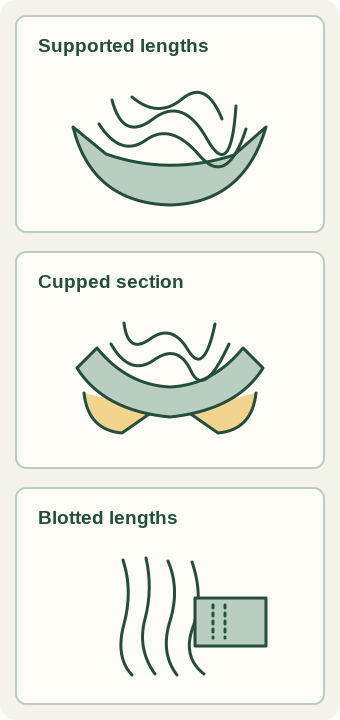
If bending forward or securing a wrap is inconvenient, stay upright and use a comfortable blotting or cupping approach. Do not force the position to complete a routine diagram. The technique is optional and should fit the way you can actually get ready.
Unwrap and assess before changing products
Release the fastener first and support the fabric as it comes away. Check that the lengths can leave the cloth without being pulled through a knot. Continue with the drying or finishing method your products and tools permit; a towel stage does not establish that another appliance is compatible with the routine.
Compare how practical the method felt as well as the resulting arrangement. If the closure was inconvenient, change the fabric or use a simpler method before assuming that a different styling product is needed. There is no universal wrapping time in this guide, and the routine does not call for sleeping in the wrap or applying heat over it.